cityscapes, landscapes, plein air
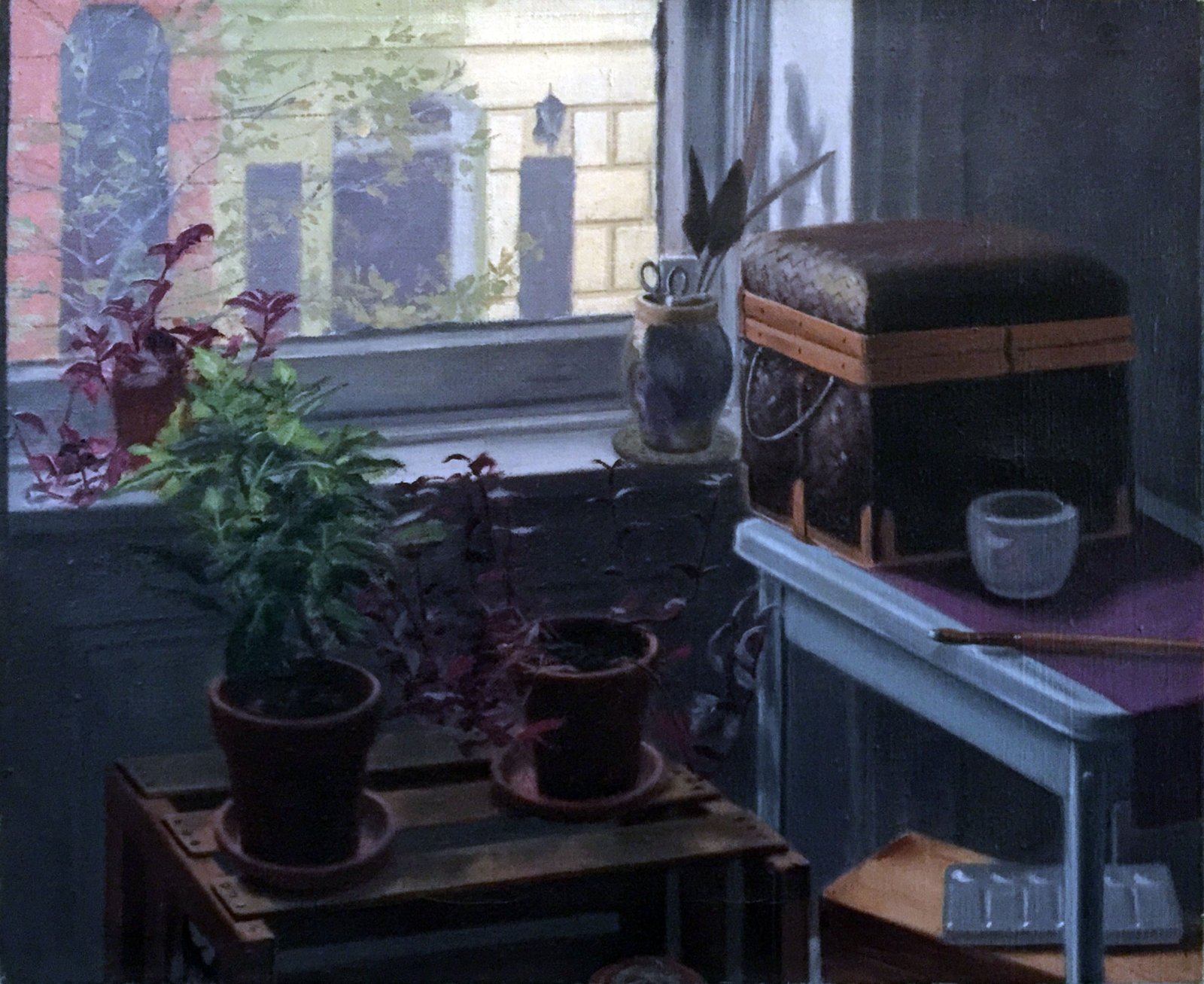
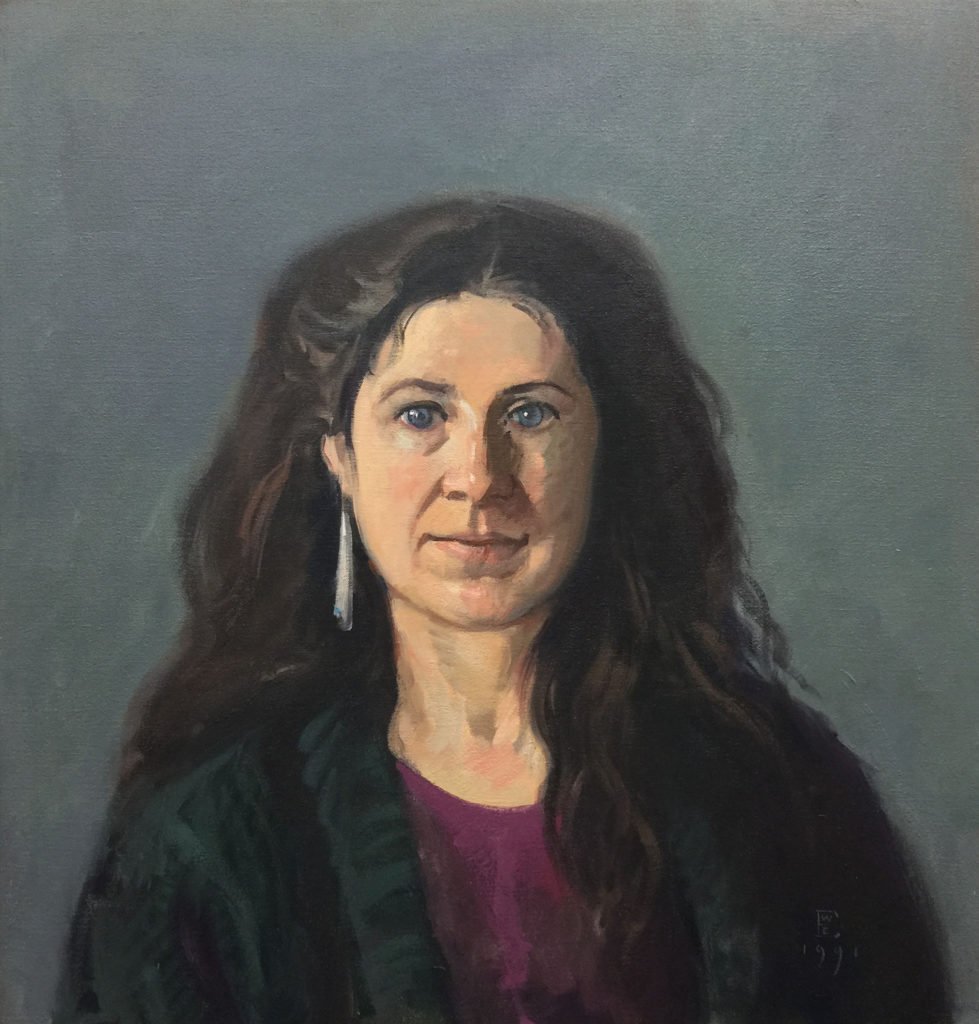
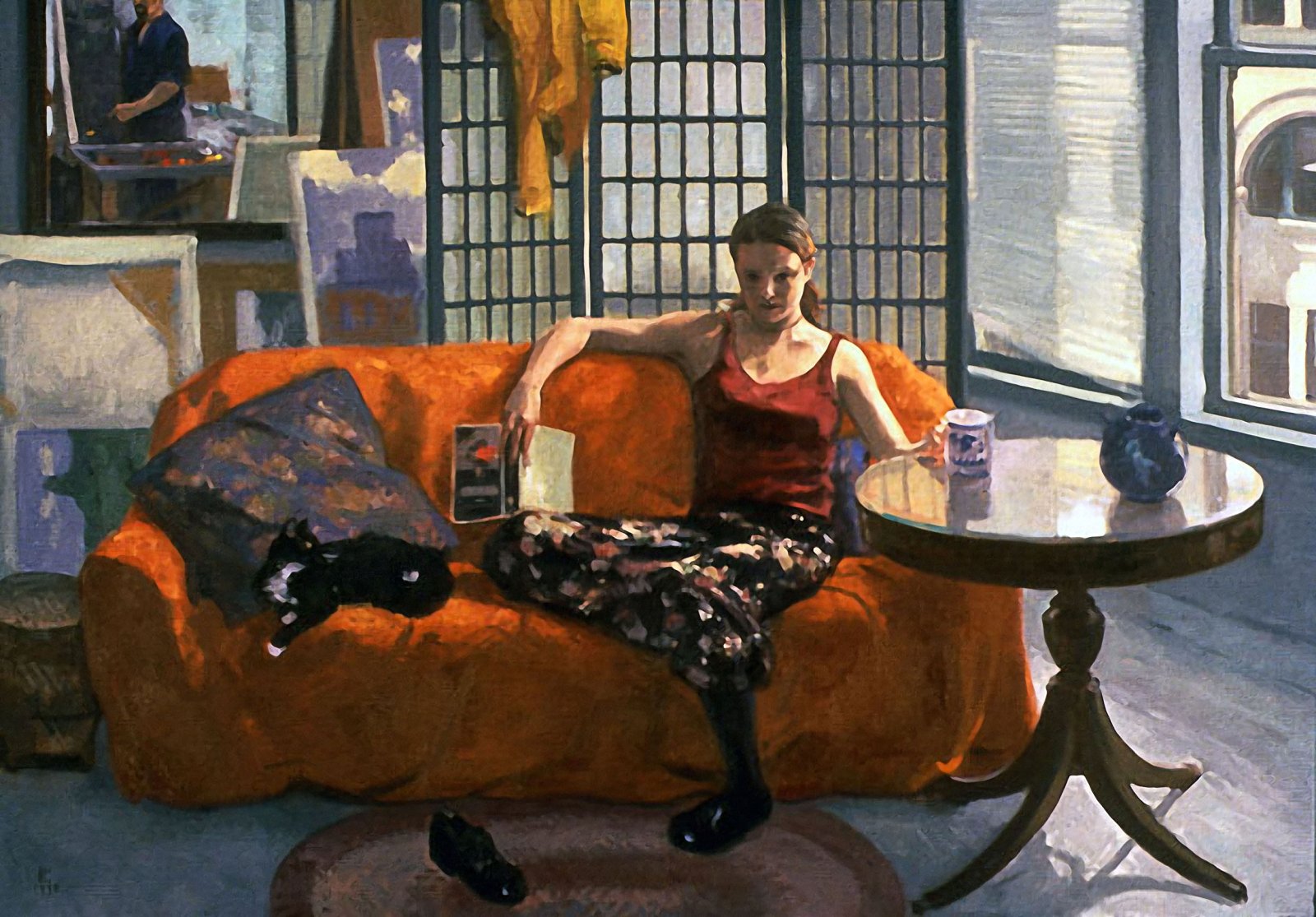
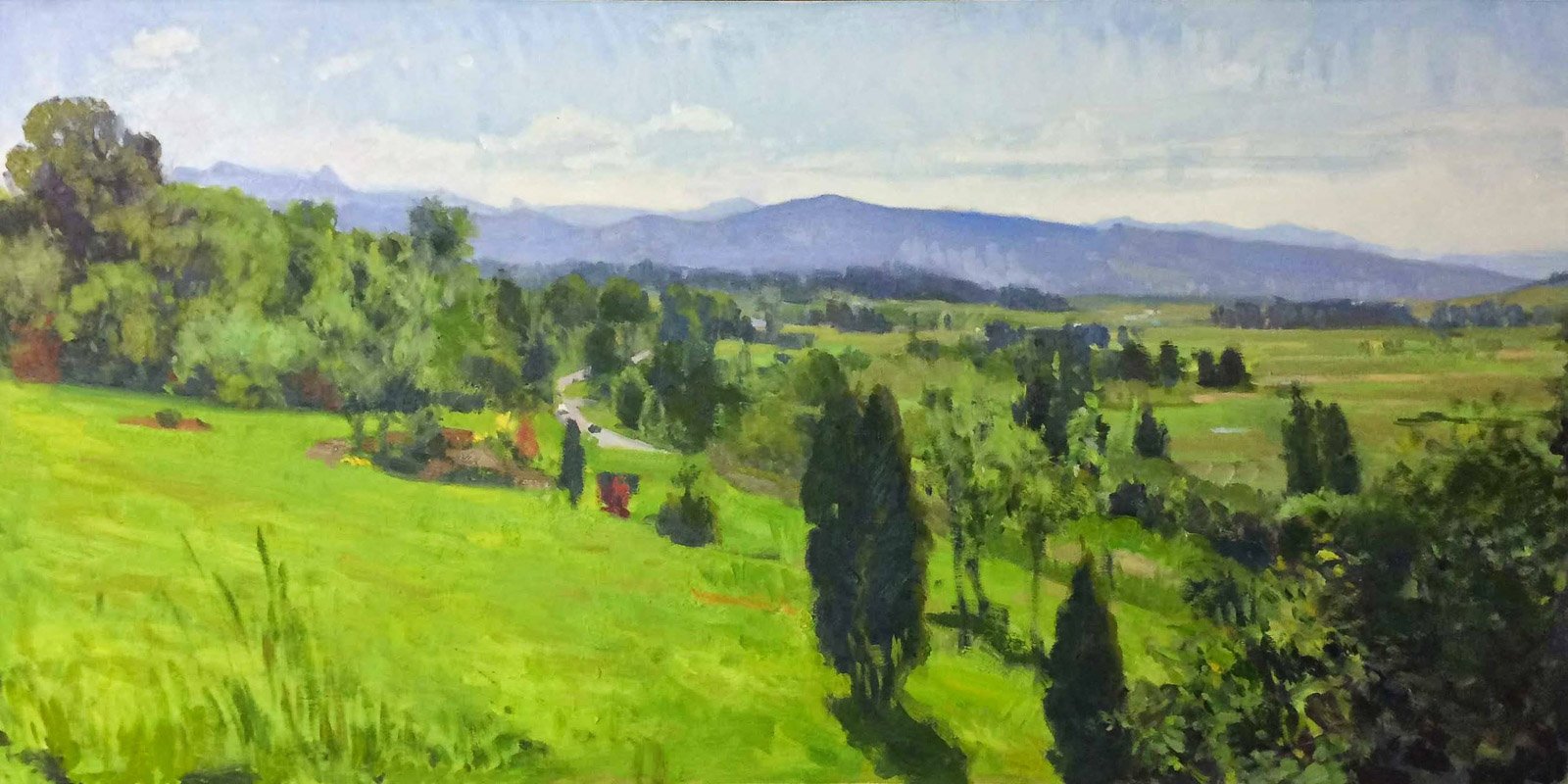
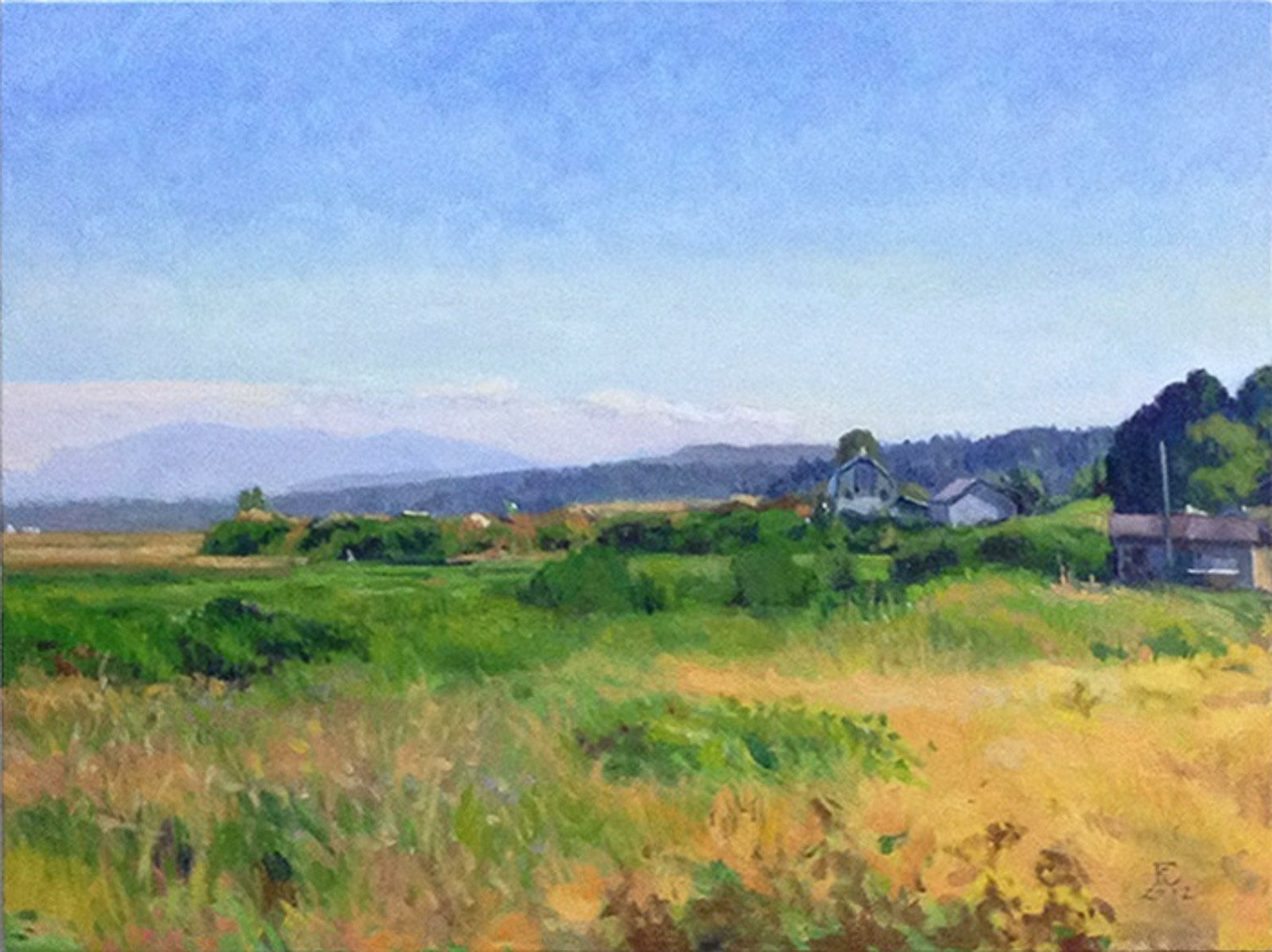
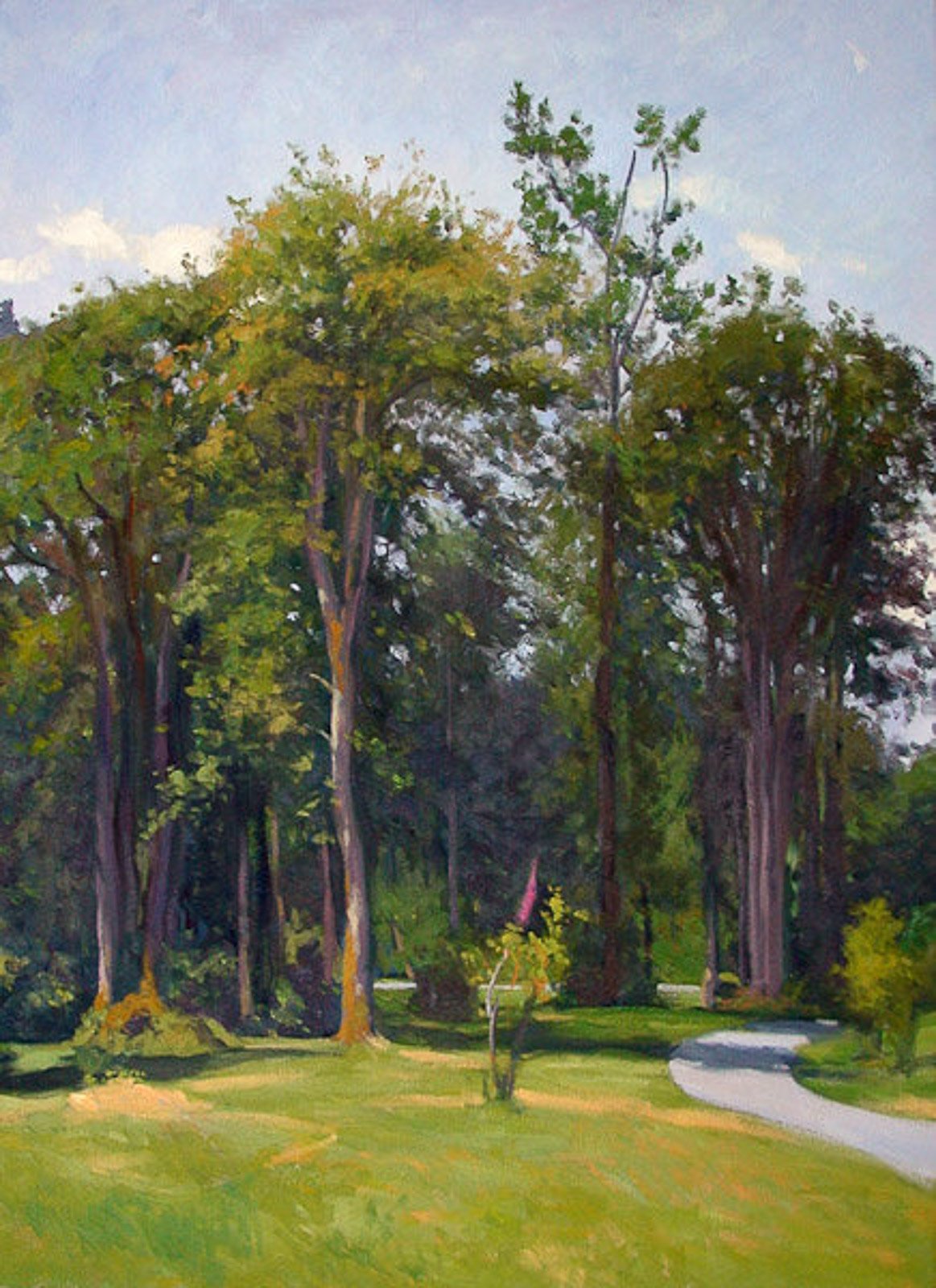
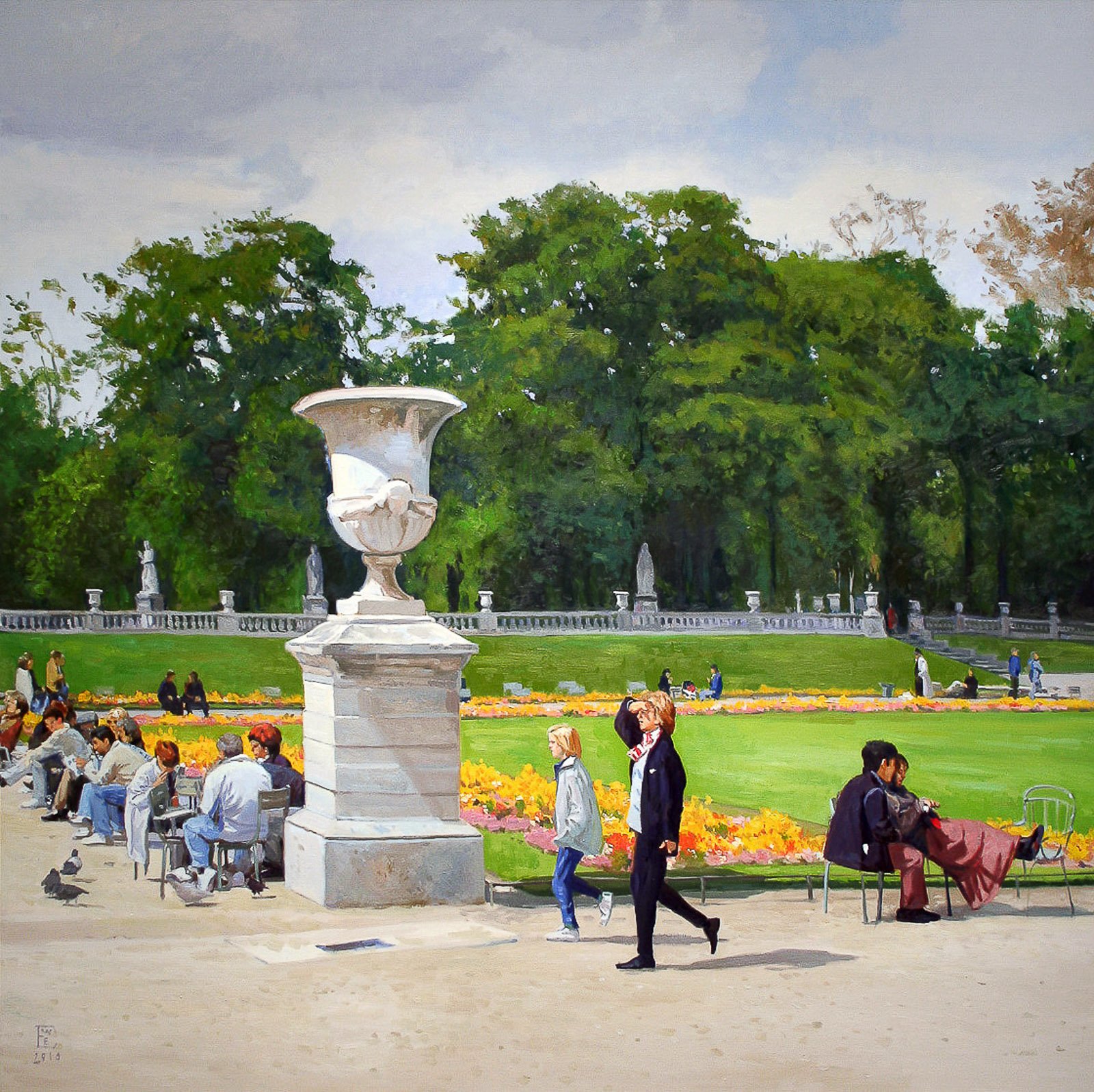
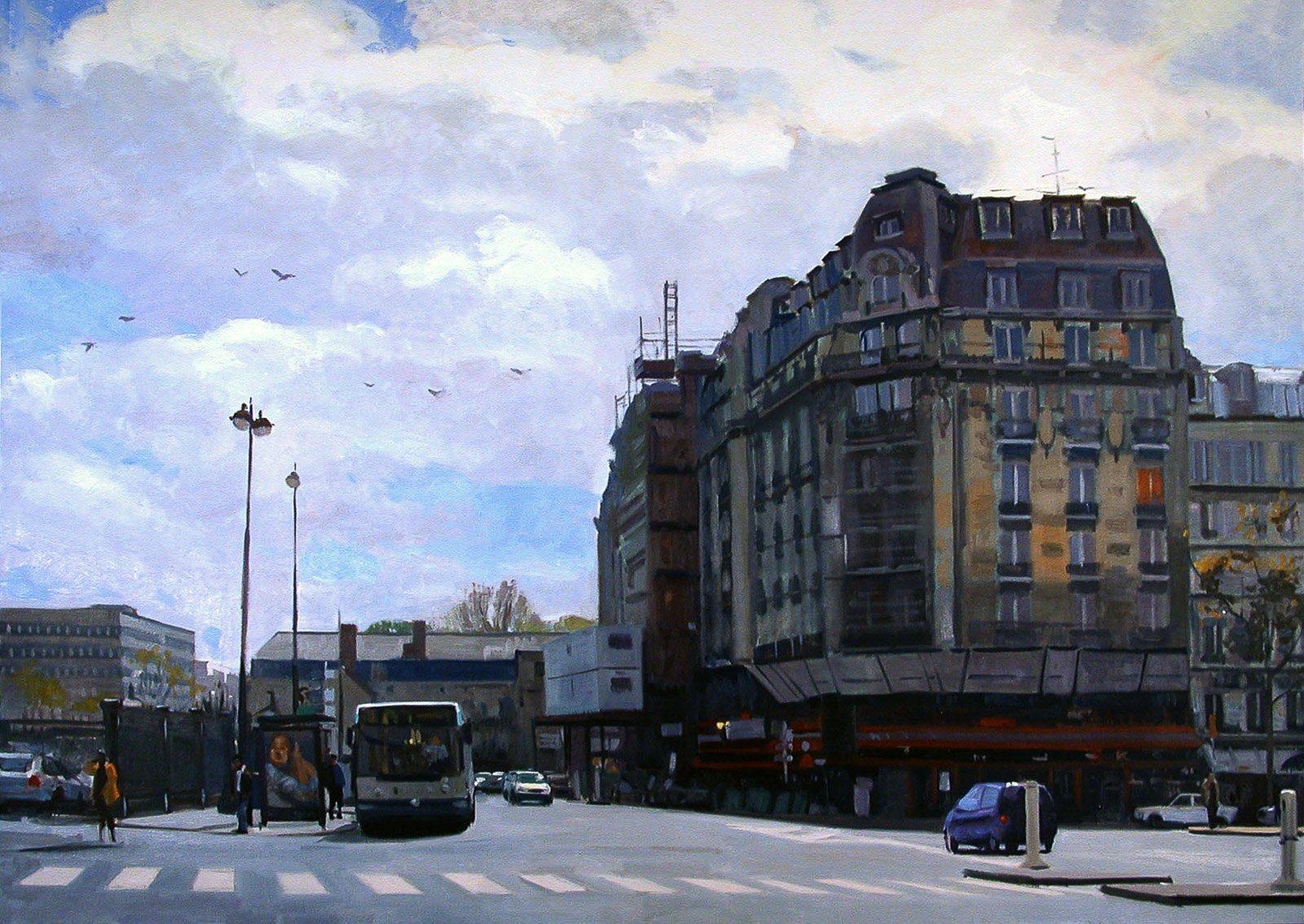
William Elston is best known for landscape and urban images. He has been teaching in the Pacific Northwest for over 50 years.
Biography
William E. Elston was born on June 18, 1949 in Spirit Lake Idaho. He grew up in the rural area southeast of Spokane Washington called Glenrose Prairie. He attended high school in Spokane at the then newly built Joel E. Ferris High School.
After leaving home at age 16 Elston traveled extensively, to San Francisco during the "flowering" of the hippie era, then to Los Angeles, New York and Montreal, Quebec, where he finished high school studies at Baron Byng High School. He returned to the Pacific Northwest and studied painting at Fort Wright College of the Holy Names in Spokane, and at California College of Arts and Crafts in Oakland. He earned a Bachelor of Fine Arts degree from Fort Wright in 1975. He spent a year teaching painting workshops at The Evergreen State College, and then spent several years studying privately in New York and Boston. In Boston he worked closely within the milieu of R. H. Ives Gammell, the acknowledged founder of the contemporary atelier movement. He shared a studio with Samuel Rose, his principal mentor, before eventually getting his own studio in the Fenway building. Within these three contexts, Mr. Elston's education encompasses the small liberal arts college, a traditional 20th century art school, and an atelier system.
Elston's first experiences with landscape painting and drawing were on a trip to Vancouver BC, Victoria BC and Seattle while he was still in high school. He continued painting landscape en plein air during his college years, and has made depicting the rural and urban landscape his principal area of interest. During those same years he developed a deep and abiding interest in the history of art, and especially in the social history of painting.
Mr. Elston has taught at Fort Wright College, The Spokane Art School, the Frye Art Museum, the Seattle Art Museum, and has been a guest lecturer at Marymount Manhattan College in New York, Whitworth College in Spokane, Eastern Washington University in Cheney, and the University of Washington in Seattle. He continues to teach ongoing plein air classes and workshops in Seattle and surrounding areas.
Mr. Elston was an original founding member of the Northwest Figurative Artists' Alliance, an organization that presented lectures and symposia on issues related to figurative art and Realism, sponsored ongoing roundtable discussions and periodic meetings amongst artists, published a bi-monthly journal of art criticism and review, networked with figurative artists worldwide and actively worked to promote the concerns of Realism and figuration. At its peak the organization had over 60 members and was active from 1992 to 1995. The Northwest Figurative Artists' Alliance was revived in 2010, primarily as a website that featured members' works and show announcements. It was disbanded in 2018.
William E. Elston's work has been widely collected in the United States and in Europe, and is included in many public, private and corporate collections. These include Jundt Art Museum at Gonzaga University, Microsoft, Hewlett Packard, McGraw Hill, American Express, Ashforth Pacific, Miller Nash LLP, Swedish Hospital in Seattle, University Hospital, Evergreen Hospital, the City of Seattle and the City of Portland. He founded Suzumebachi Design Services in 1993, which designs gallery, artist and art-related websites, advises artists and arts professionals on their Internet presence and other matters in the digitial information field.
Artist's Statement
I grew up between small town life, rural farmlands and the city. I've never been completely happy in one environment or the other, but I do find some joy when I explore the relationships between the three.
My earliest experiences making art were varied, constructing alligators from paper, scotch tape and kleenex, drawing giants and detectives, and other kid stuff. I don't think I've ever grown out of that world of make believe. I began drawing and painting landscapes in high school, often sitting in the woods with charcoal and paper trying to mimic the rhythms of light and shadow, growth and decay. On a trip to Victoria BC I sketched the Empress Hotel, using colored chalk and turpentine washes. Architecture was and is a fascination, but more as a reflection of human intention rather than as feats of engineering.
My boyhood interest in puppets and marionettes found echoes in the shallow theatrical space of the street, where freeform improvisational dramas take place all the time. Humans are always engaged in social display, consciously or not. I love literature where the street's chance meetings drive the plot forward, like in the novels of Dickens, Galdós or Zola. I also like travelogues that describe the fragile tapestries of life and land, like Ma Jian's Red Dust.
I've spent a life painting, often against the grain, and I'm happy to see young people taking up the brush and engaging in very careful looking. Even a static scene can only reveal its riches with the tribute of concentration. I've often thought about the purpose of art, as one also questions the purpose of life. I fall back on Robert Henri's statement, which I can only paraphrase because it's been so long since I first read it: "Art is how men speak to each other across the centuries."